
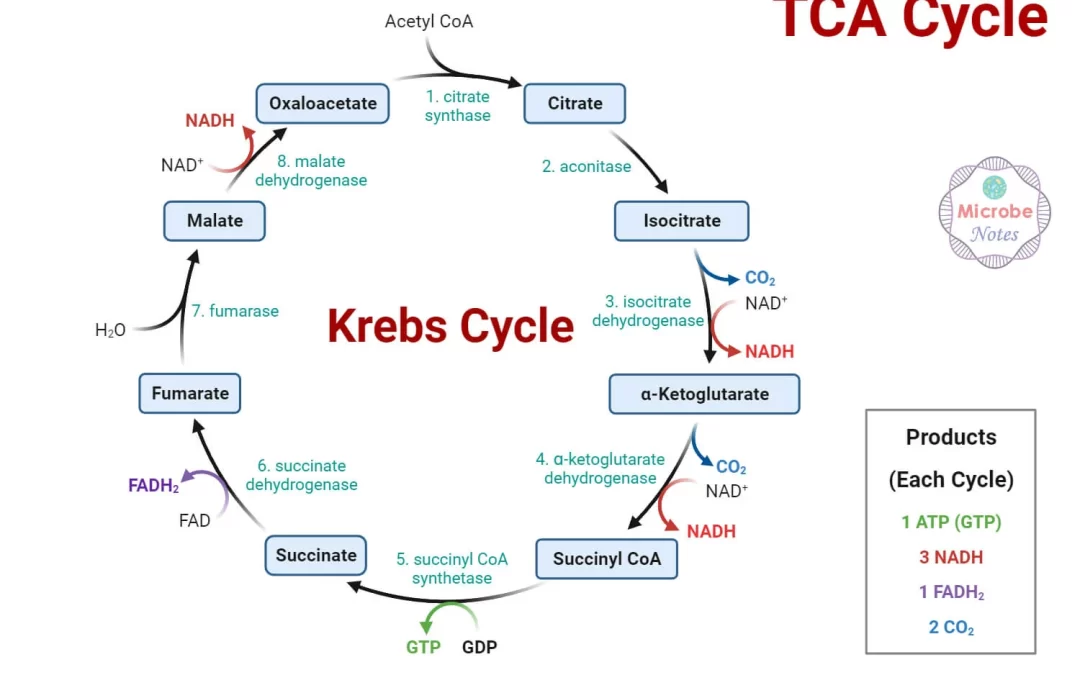
The Krebs cycle (also called the citric acid or TCA cycle) is a series of chemical reactions that take place in the mitochondria of each cell to break down nutrients into usable energy. The cycle is the powerhouse of aerobic cells, producing energy (ATP and high-energy electron carriers).
Supporting your Krebs (citric acid) cycle through nutrition requires a balanced diet of macronutrients (carbs, fats, proteins) and a rich intake of key micronutrients. Specifically, B vitamins, iron, and magnesium are critical co-factors that power the enzymes needed to convert food into cellular energy.
Essential Co-Factors
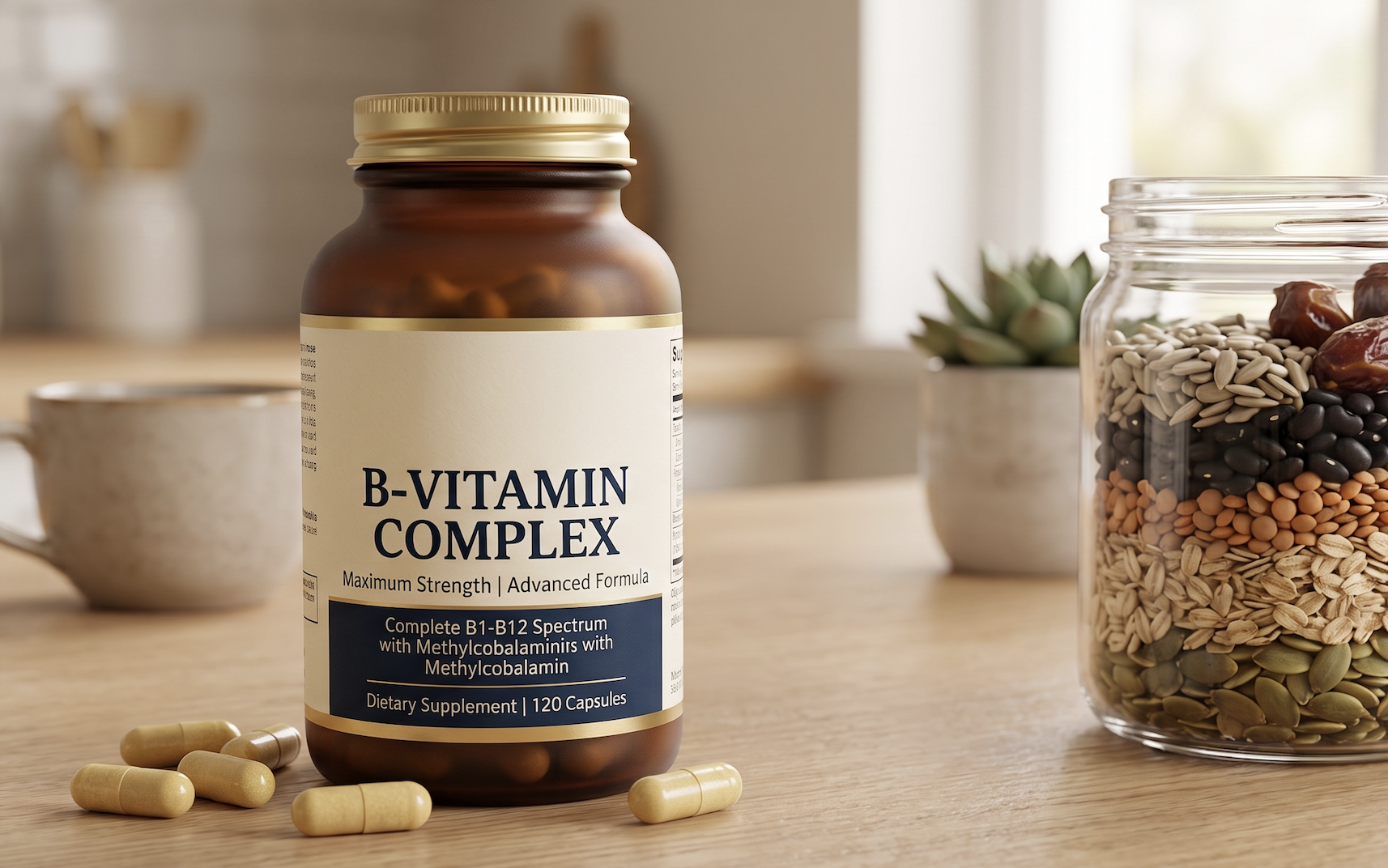
To keep the metabolic cycle running, you need an abundant supply of specific vitamins and minerals:
-
B-Vitamin Complex:
-
Vitamin B₁ (Thiamin): Essential for converting pyruvate into acetyl-CoA. Found in sunflower seeds, pork, and legumes.
-
Vitamin B₂ (Riboflavin): Necessary for the production of FAD, an electron carrier. Good sources include dairy, almonds, and lean meats.
-
Vitamin B₃ (Niacin): Crucial for forming $NAD^+$, which is required for several steps in the cycle. Found in poultry, fish, and peanuts.
-
Vitamin B₅ (Pantothenic Acid): A direct structural component of Coenzyme A, making it mandatory for fuel to enter the cycle. Sourced from avocados, broccoli, and organ meats.
-
-
Iron: Needed for iron-sulfur clusters in cycle enzymes (like succinate dehydrogenase) and for making cytochromes in the related electron transport chain. Found in red meat, spinach, and lentils.
-
Magnesium: Required for numerous ATP-generating and enzyme reactions within the cycle. Good sources include pumpkin seeds, spinach, and black beans.
-
Alpha-Lipoic Acid: An antioxidant that acts as a vital co-factor for the pyruvate dehydrogenase complex. Sourced from organ meats, broccoli, and spinach.
Macronutrients (Cycle Fuel)
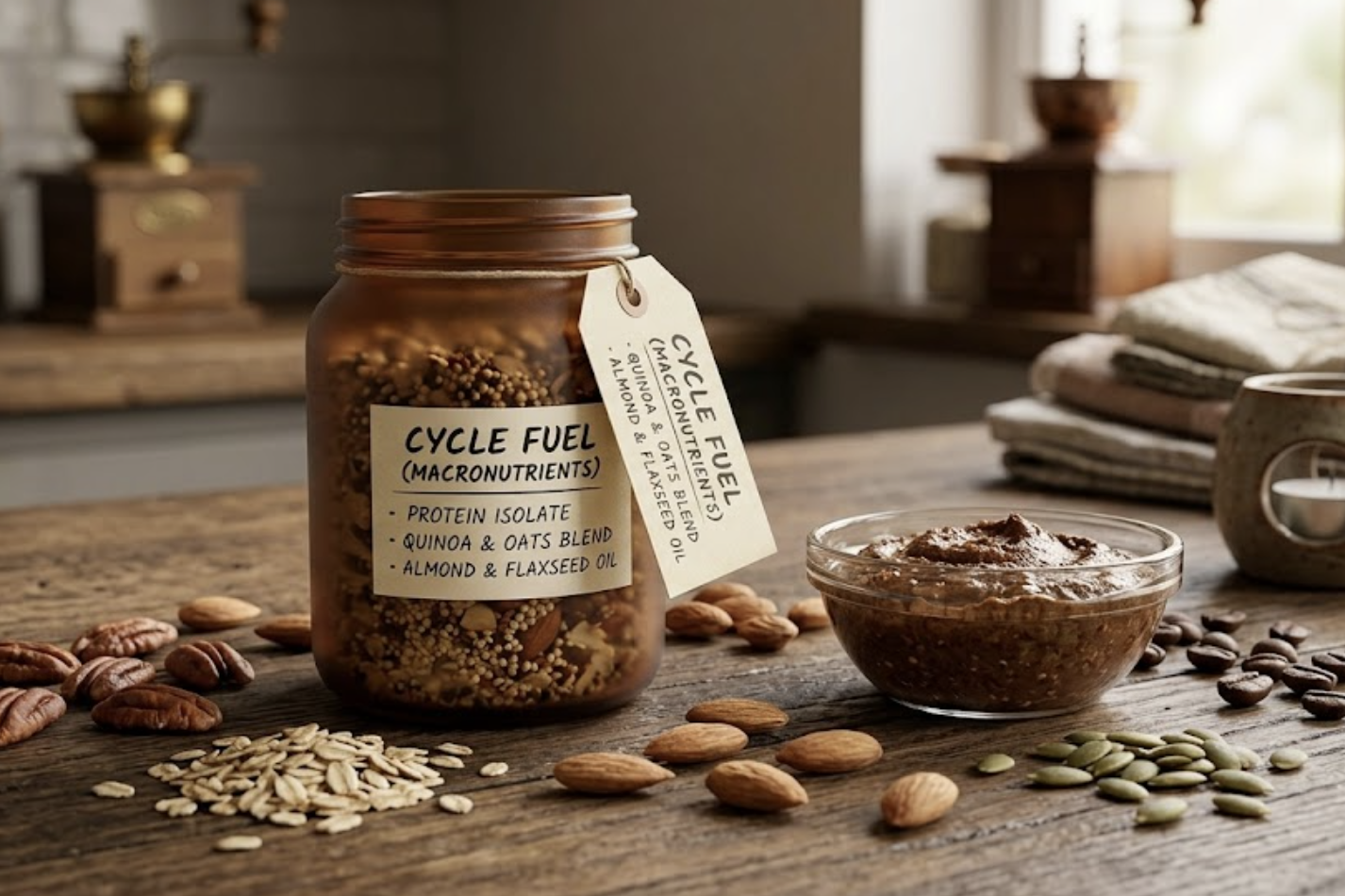
The Krebs cycle is the hub where all dietary energy eventually converges:
-
Carbohydrates: Broken down into glucose, then pyruvate, before entering the cycle. Focus on complex carbohydrates like oats, sweet potatoes, and quinoa.
-
Fats: Broken down into fatty acids, which are converted into acetyl-CoA. Include healthy fats like salmon, olive oil, and walnuts.
-
Proteins: Amino acids from proteins can be converted directly into cycle intermediates (e.g., alpha-ketoglutarate) to keep the cycle well-stocked. Consume lean meats, eggs, and tofu.
DISCLAIMER: This blog is for general information only and is not intended to replace professional medical or specialist advice.
Recent Comments